Shaping a global home for live sport
I contributed visual design, responsive UI, and prototyping within the NAGRA team, helping translate an evolving brand and complex sports catalogue into a coherent web-and-app experience.
- Role
- Mid UX/UI Designer · visual design, responsive UI, prototyping
- Team
- Senior UX Designer, NAGRA product and engineering
- Year
- 2022 to 2023 contribution · launched 2024
- Platform
- Web, iOS, Android, multilingual OTT
- Outcome
- 2024global free-to-air launch
- Verified scale
- 30+sports organisations covered today
- Deliverable
- Web + appspublic launch surfaces
- Scope
- Multilingualsystem constraint
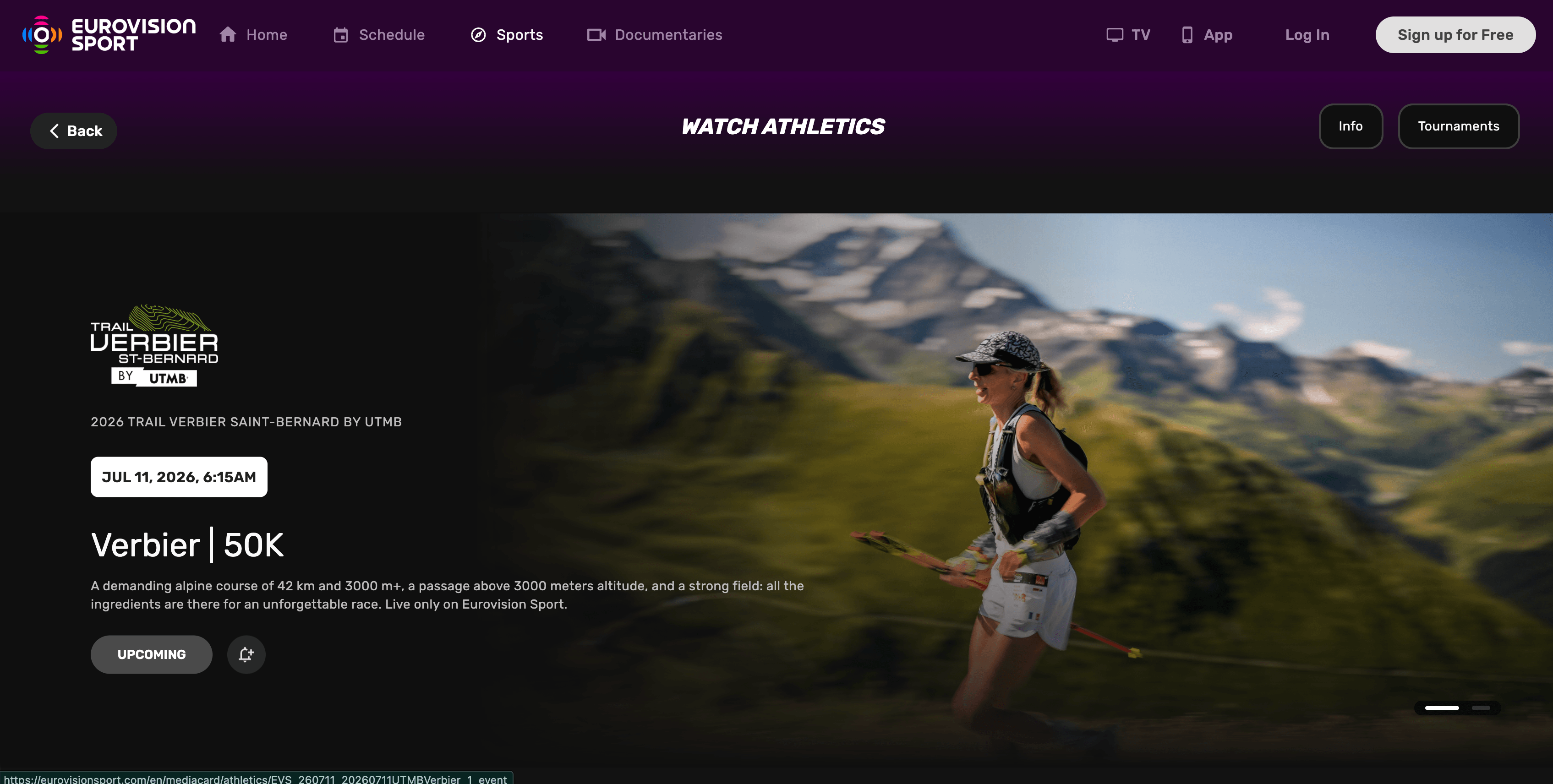
Evidence note: Early NAGRA-branded artifacts show my 2022 to 2023 design phase; current Eurovision Sport captures include later team development after handoff.
On this page
The problem
NAGRA and the EBU were creating a new worldwide, free-to-air sports service across web and mobile apps. The product had to make live and on-demand content easy to find across sports, federations, competitions, and events while the brand language was still evolving. Within the lead UX direction, my role was to help turn that product model into a coherent, responsive interface and prototypes that could travel across devices and variable content.
Decisions and delivery
I collaborated with a highly skilled Senior UX Designer who led the overall UX across the website and app. I translated that product architecture into visual design, responsive UI and prototypes that engineering teams could use.
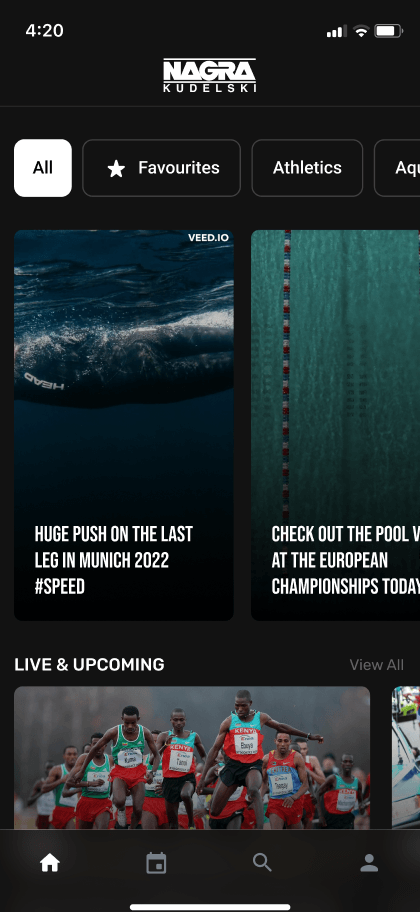
The product foundations began before the final Eurovision Sport identity had fully matured. That made flexibility a delivery constraint, not a nice-to-have. Components had to absorb changing brand assets, different content types, and multilingual labels without forcing the team to rethink every journey.
The early mobile artifacts below use NAGRA working branding. The current web captures use the launched Eurovision Sport identity. The difference is useful evidence: the surface changed, while the underlying product model remained recognisable.
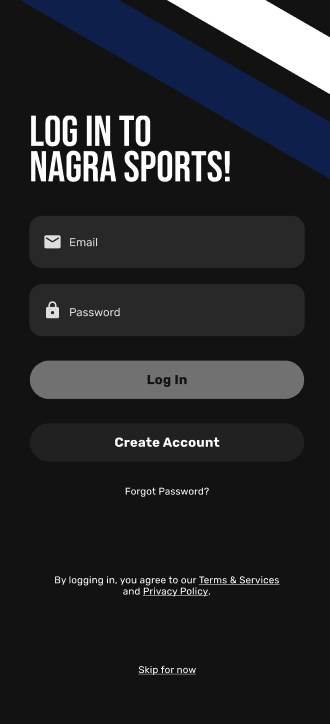
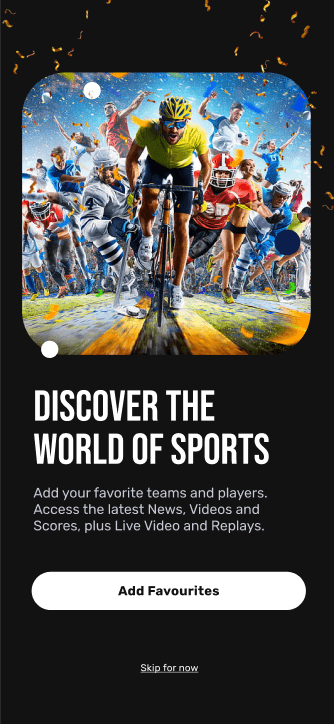
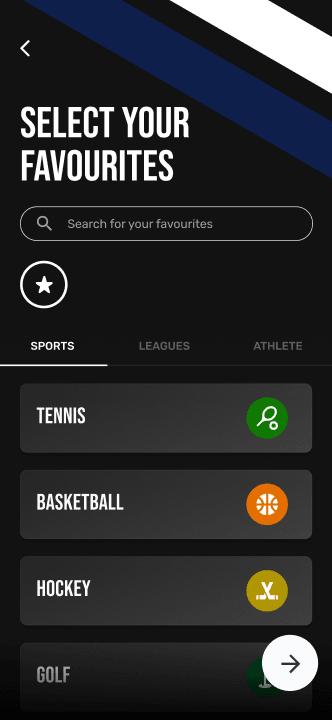
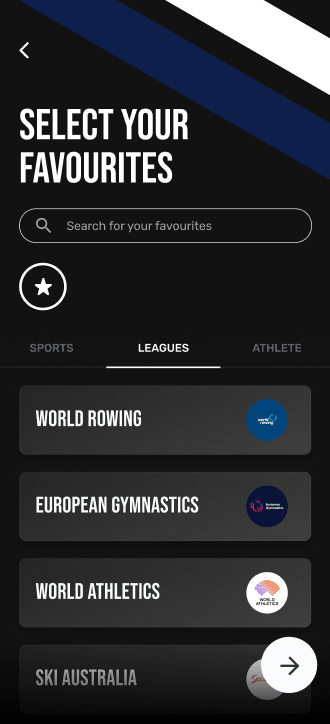
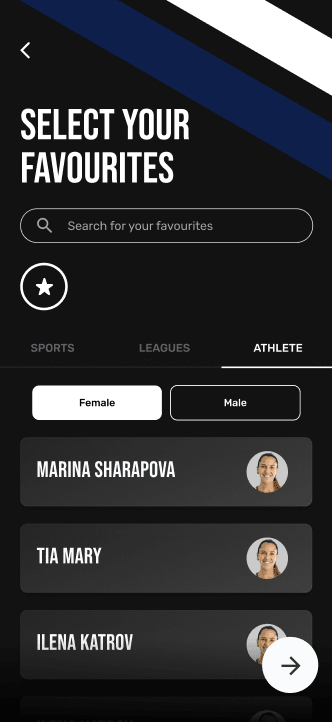
Live sport changes the hierarchy. Fans need to see what is live, what begins next, and how quickly they can reach the correct event. Schedule, date, status, and start time therefore became core navigation signals rather than supporting metadata.
The platform also had to work at several levels: one global service, individual sports, federation destinations, competition schedules, event detail, and the player itself. We kept those layers connected so federation depth did not turn the product into a set of unrelated microsites.
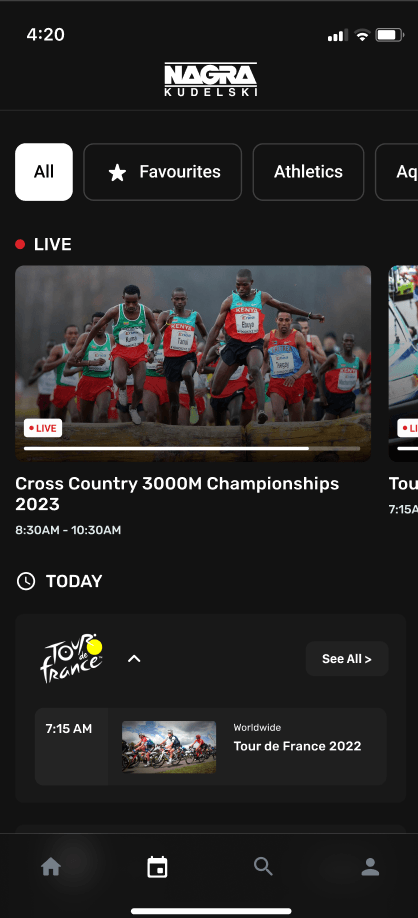
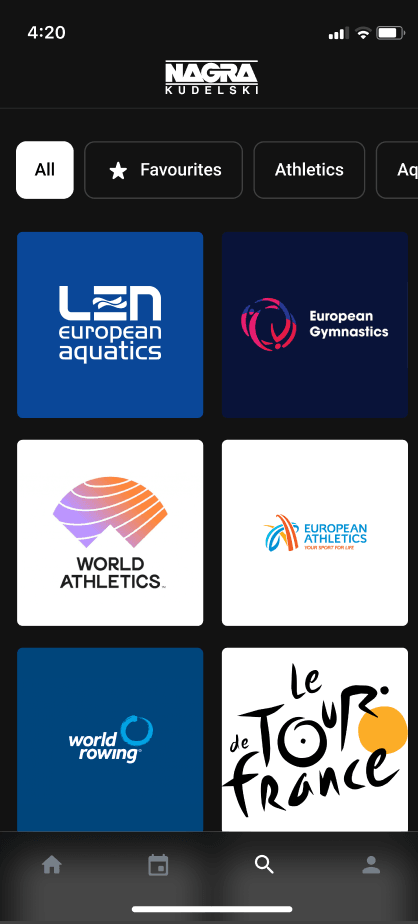
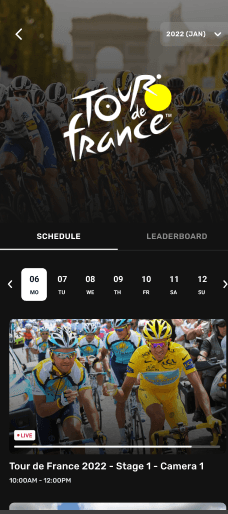
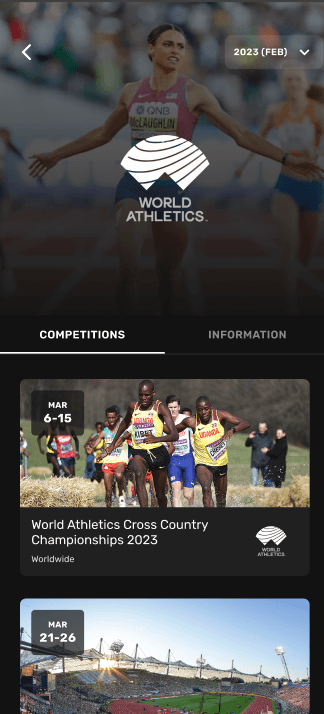
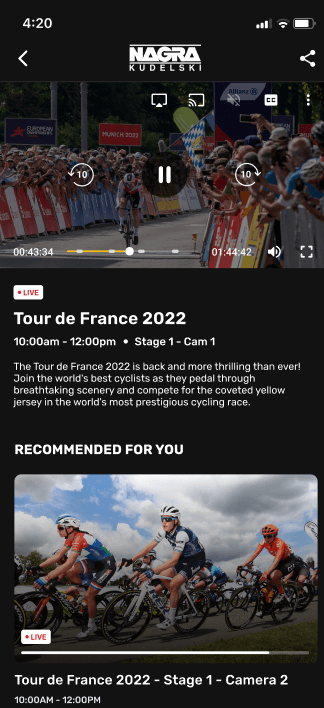
Navigation density, card behaviour, player states, account journeys and content length each needed device-appropriate treatment, while still reading as one service. Collapsing the desktop layout onto a phone would have broken all five.
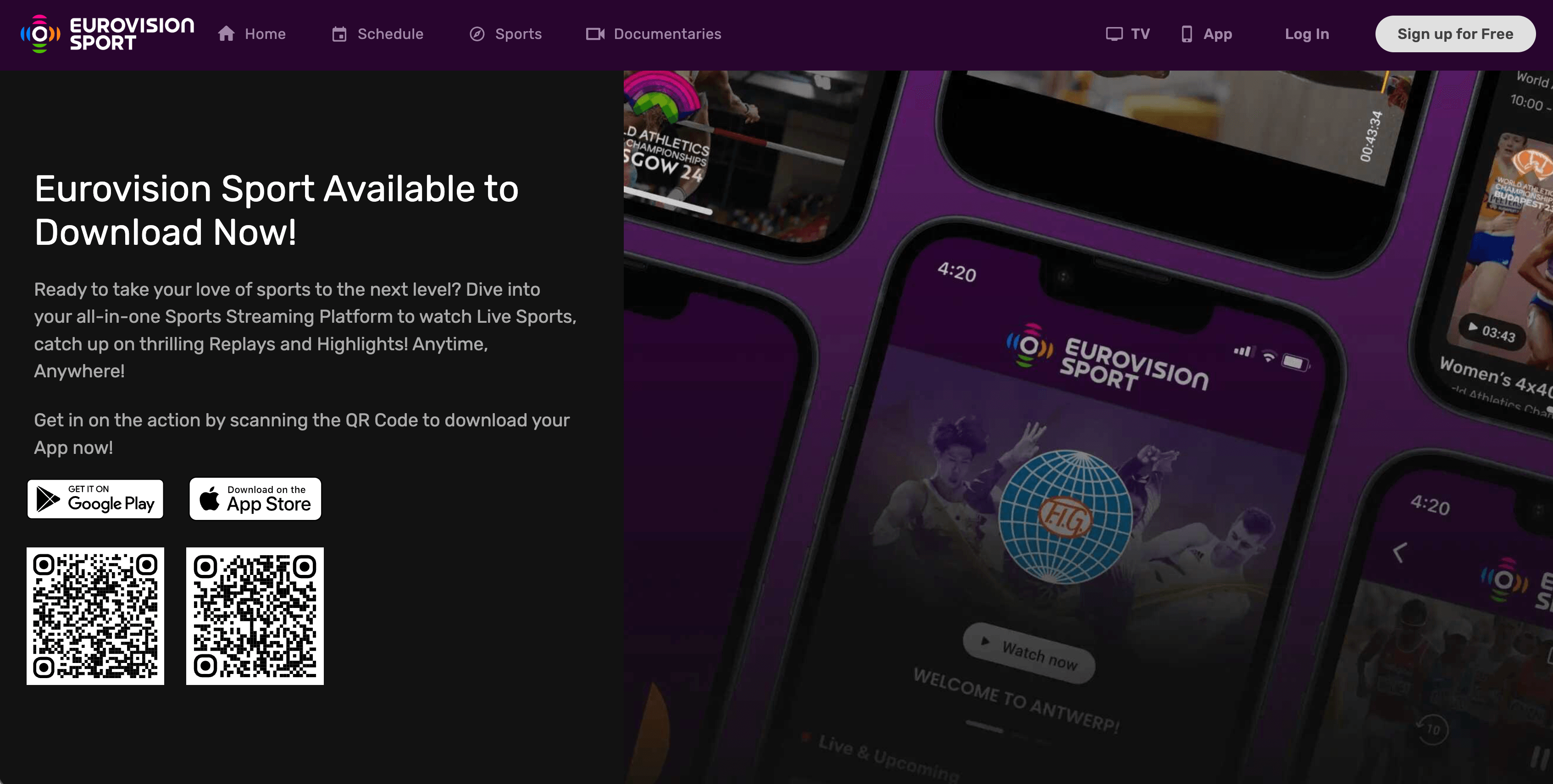
The app-download journey made that relationship visible. Web remained a complete streaming surface while also giving fans a clear route into the native experience, without changing the product's information model or identity.
The NAGRA and EBU launch announcement verifies the 2024 worldwide free-to-air launch, platform surfaces, and operating context. This public source informs the launch context; the contribution wording on this page reflects my own role.
A global service launched across web and mobile apps
Eurovision Sport launched worldwide as a free-to-air service across web and mobile apps, and NAGRA now describes coverage for more than 30 sports organisations. The public product retains the home, schedule, federation, event and playback architecture visible in the design work.
This is a team and platform outcome, not a personal performance metric. My contribution was visual design, responsive UI and prototyping within the Senior UX Designer's direction, without claiming attributable adoption or engagement.
Live sport is an information-architecture problem under time pressure
General streaming can invite browsing; live sport often cannot. Fans need immediate confidence about what is live, what starts next and whether a route leads to information or playback.
Continue the conversation
Working through a similarly complex product decision?
I can help frame the problem, make the trade-offs visible, and carry the decision through to a usable delivery.
Get in touch